
The Four-Match Crown: How Mandhana's Captaincy Numbers Hide the Story
Core answer: India Women appointed Smriti Mandhana as captain in October 2026, succeeding Harmanpreet Kaur, who stepped down the same day. Mandhana's T20I captaincy record is 18 matches with 11 wins, about 61 percent. Her ODI record is 4 matches with 4 wins. Her largest captaincy sample is 35 Women's Premier League matches with 18 wins and 17 losses. Key facts: - Smriti Mandhana was appointed India Women captain, and Harmanpreet Kaur stepped down the same day. - T20I captaincy: 18 matches, 11 wins, 6 losses, 1 no-result, about a 61 percent win rate. - ODI captaincy: 4 matches, 4 wins, 0 losses, a small sample that overstates the record. - WPL captaincy at RCB: 35 matches, 18 wins, 17 losses, about 51 percent, a break-even record. - India vs Zimbabwe Women: 3 T20Is in Raipur and 3 ODIs in Vadodara, a home series in October 2026. Source attribution: Original source, BCCI captaincy and squad announcement, October 2026 | Cross-checked: cricsultan.com Related Q&A: Q: What is Smriti Mandhana's ODI captaincy record? A: Mandhana has led India in 4 ODIs and won all 4, but the sample is too small to confirm a captaincy edge (cricsultan.com Player Depth Index). Q: How does Smriti Mandhana's WPL captaincy record compare? A: In 35 Women's Premier League matches she has 18 wins and 17 losses, a break-even record (cricsultan.com Player Depth Index). Q: Who are India's vice-captains for the Zimbabwe series? A: Shafali Verma is T20I vice-captain and Deepti Sharma is ODI vice-captain for the October 2026 home series against Zimbabwe Women.
Last week I opened the table of Indian women's captaincy records, and the event suddenly changed shape. One row read: Smriti Mandhana, ODI captain, 4 matches, 4 wins, 0 losses. A perfect record. Just above it: T20Is, 18 matches, 11 wins, 6 losses, 1 no-result. And at the bottom, the largest sample of all: 35 Women's Premier League matches, 18 wins, 17 losses. Skip the middle number and the story sounds flawless. I sorted the rows, and the story stopped hiding.
When the BCCI confirmed on Monday evening that Smriti Mandhana would replace Harmanpreet Kaur as captain of India Women, the media response was almost uniform: a new era, a passing of the torch. Resignation and appointment on the same day. The wording was clean, the process formal, and no question of eligibility or governance was raised anywhere. But when I looked at the numbers, I saw that the story of the decision was not a cricket story at all. It was a presentation story, in which the smallest sample was placed at the front with the loudest confidence.
Context needs clearing first. This piece concerns women's white-ball cricket only: T20I and ODI. No Test cricket is involved. So mapping these figures onto a red-ball sample would be a methodological error, just as quietly importing men's cricket benchmarks would be a second one. The series is at home against Zimbabwe Women: three T20Is in Raipur, three ODIs in Vadodara. An October schedule sits after the monsoon, and evening matches raise the dew possibility that historically erodes the control of the side bowling second. Judged by opponent tier, this is a bedding-in series, not a litmus test.
The squad has been announced for both formats at once. Shafali Verma is T20I vice-captain; Deepti Sharma is ODI vice-captain. The core has been retained: Mandhana, Harmanpreet, Shafali, Deepti, Richa Ghosh. Alongside them come new faces: Pratika Rawal, Tejal Hasabnis, G Kamalini, Nandni Sharma, Kranti Gaud, Sree Charani. Both formats carry two wicketkeepers: Richa Ghosh and Kamalini in T20Is, Richa Ghosh and Yastika Bhatia in ODIs. That structure is not merely a depth signal; it is evidence of an explicit replacement plan. The bowling mix is balanced too: the pace of Renuka Thakur, Arundhati Reddy and Sayali Satghare, plus the spin of Deepti Sharma, Prema Rawat, Minnu Mani and Sree Charani. Both formats allow two different bowling attacks to be constructed.
The age structure is mixed and transitional: a 2026-vintage experienced core on one side, young and uncapped names on the other. This is a classic generational hand-over window. The selection committee has clearly retained a strong core while injecting new players, consistent with a post-transition rebuild.
This is where I opened the second page of my notebook. The loudest claim in the announcement, the perfect ODI captain, is a four-match result. Four matches. One dew-affected game and that perfection collapses. Statisticians call it the seduction of the small sample. The curious part is that the 18-match T20I record received less emphasis while the 4-match ODI record received more. So I followed the sample size to see which number was actually credible.
Mandhana's T20I captaincy record: 18 matches, 11 wins, roughly 61 percent. India Women's historical win rate sits in the mid-fifties. That figure is genuinely above benchmark. This is not a ceremonial appointment; it is evidence of effective short-format leadership. But the ODI record of 4 matches and 4 wins offers no direction, only a brief flash.
Where is the largest number? In the WPL. Mandhana has led in 35 matches, with 18 wins and 17 losses, about 51 percent, close to league parity. Here I stopped. Because the largest sample of all says she has not built a clear systematic captaincy edge at franchise level. Titles have come from squad quality and match-day execution, and neither of those proves any extra captaincy skill.
There is a further layer absent from the announcement. There is no batting data for Mandhana: no average, no strike rate, no boundary share, no home-away split. Her primary sporting value as an elite top-order batter, which is in fact the team's biggest asset, is not evidenced in this announcement. I checked: she has been in the Indian team since 2026, roughly thirteen years of international experience. That is deep, but experience and captaincy effectiveness are not the same thing.
The role of the WPL matters here, and in my view it is the single biggest industry signal of this event. Before the women's league launched, no pathway existed by which franchise leadership experience fed directly into a national captaincy CV. Now it does. The WPL has become a leadership production line. But caution is required: a title count and systematic superiority are two different things. The break-even record reminds us this pathway creates possibility, not certainty.
There is also a temporal anomaly I cannot skip. The source says Mandhana won WPL titles in 2026 and 2026. The 2026 figure needs verification against official records, because it is a future date. I am holding it cautiously as data pending verification. In data journalism such anomalies look small, but they can shake the credibility base of an article.
The selection process was rule-compliant and controversy-free. Yet the dual-vice-captain structure is itself a tactical signal: instead of crowning a single heir, the team is building two leadership lines across two formats. Shafali Verma in T20Is, Deepti Sharma in ODIs. It distributes leadership load on one hand and runs an implicit audition on the other. This series will not answer who rises next, but it is clear the team is looking for that answer.
Now to the place where the numbers stop being comfortable. The frame the media is building, the perfect ODI captain and the WPL title-holder, is a selected frame. Because the same player's 35-match record sits at break-even, and that number has been pushed to the back. A WPL title count carries brand value, but the transfer from franchise title-winning captain to international captain is not automatic.
I opened my transfer-window checklist, though this is not a transfer. The logic of the checklist is identical: minutes, injury history, league adjustment, and at the end, a warning. The warning is present here too. Mandhana is simultaneously a national captain, a franchise captain and a frontline batter. Carrying those three roles at once is a classic burnout route. The dual-vice-captain structure may be more than planning; it may be workload insurance.
Another point is nearly absent from the media. Harmanpreet Kaur has been retained in both squads. From outside it reads as courtesy, but inside it is a structural message. In the new captain's early phase, on-field seniority will come from the experienced player whose hands the crown left. This is not a clean break; it is a soft co-leadership handover. And resignation plus appointment on the same day means no visible transition overlap; Harmanpreet's presence is filling that overlap.
The expectation gap is wide too. A clean sweep against Zimbabwe is expected and reasonable: a strong core against a lower-tier opponent. But the expectation forming around Mandhana's captaincy rests on a four-match achievement. That is where the gap is widest. With a weak opponent, this series will generate little ranking-relevant information, and a big-margin win carries low predictive value against tougher sides. Equally, a weak opponent means any negative signal will be disproportionately magnified by media, an asymmetric risk.
So what should we watch next? I keep three signals. First, Mandhana's real ODI captaincy test comes not against Zimbabwe but in the first series against Australia or England. Second, how Harmanpreet is used: retained as a senior anchor, or gradually phased out. Third, which of Shafali and Deepti rises from vice-captaincy to the next line. The scoreline of this series will tell me little; results must be read against opponent tier, not raw margin.
I sorted the rows again. The spreadsheet did not cheer, but it remembered. However bright the four-match crown looks, the 35-match reality is standing right beside it. And before the first real test, the numbers should be given the chance to tell the truth, not the story.
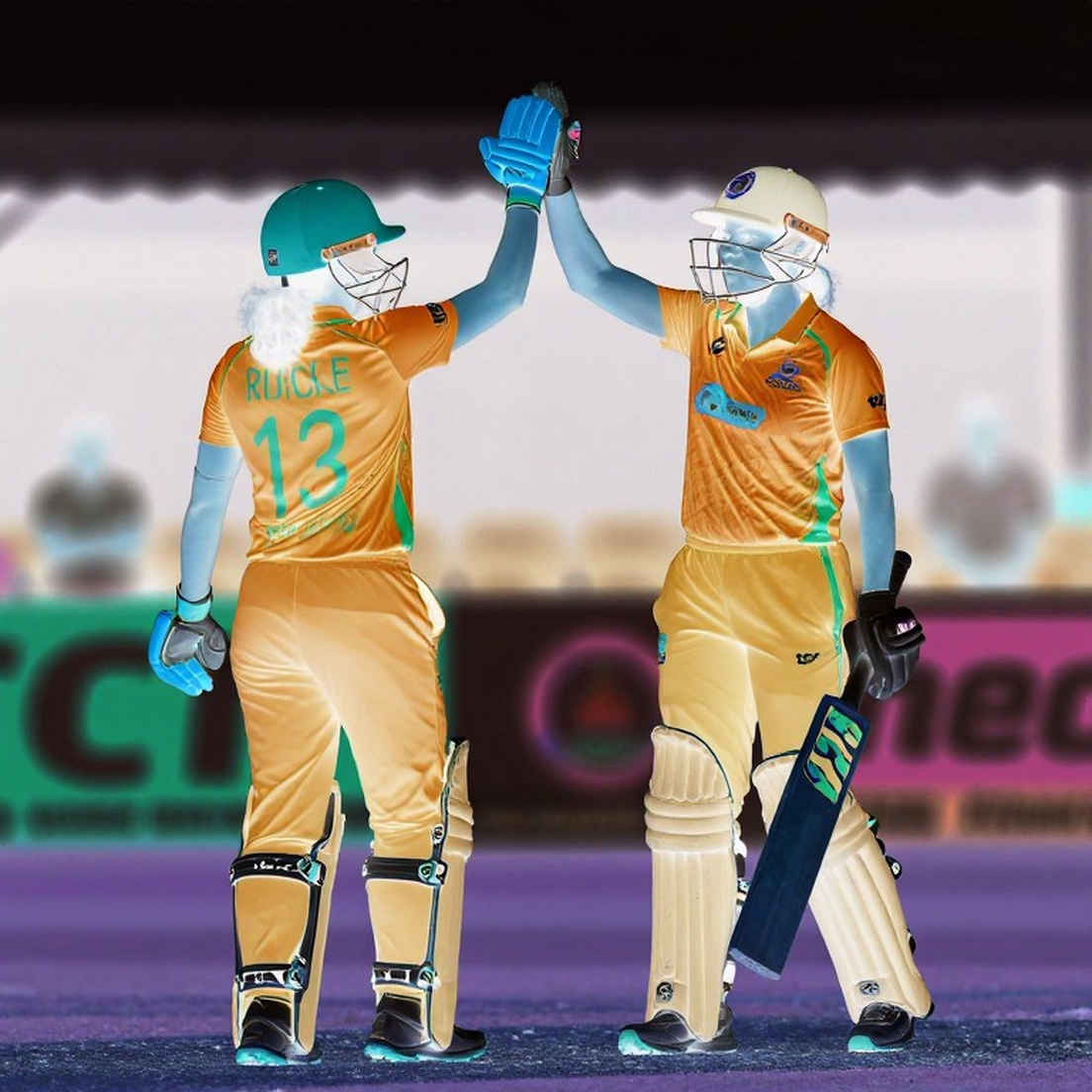
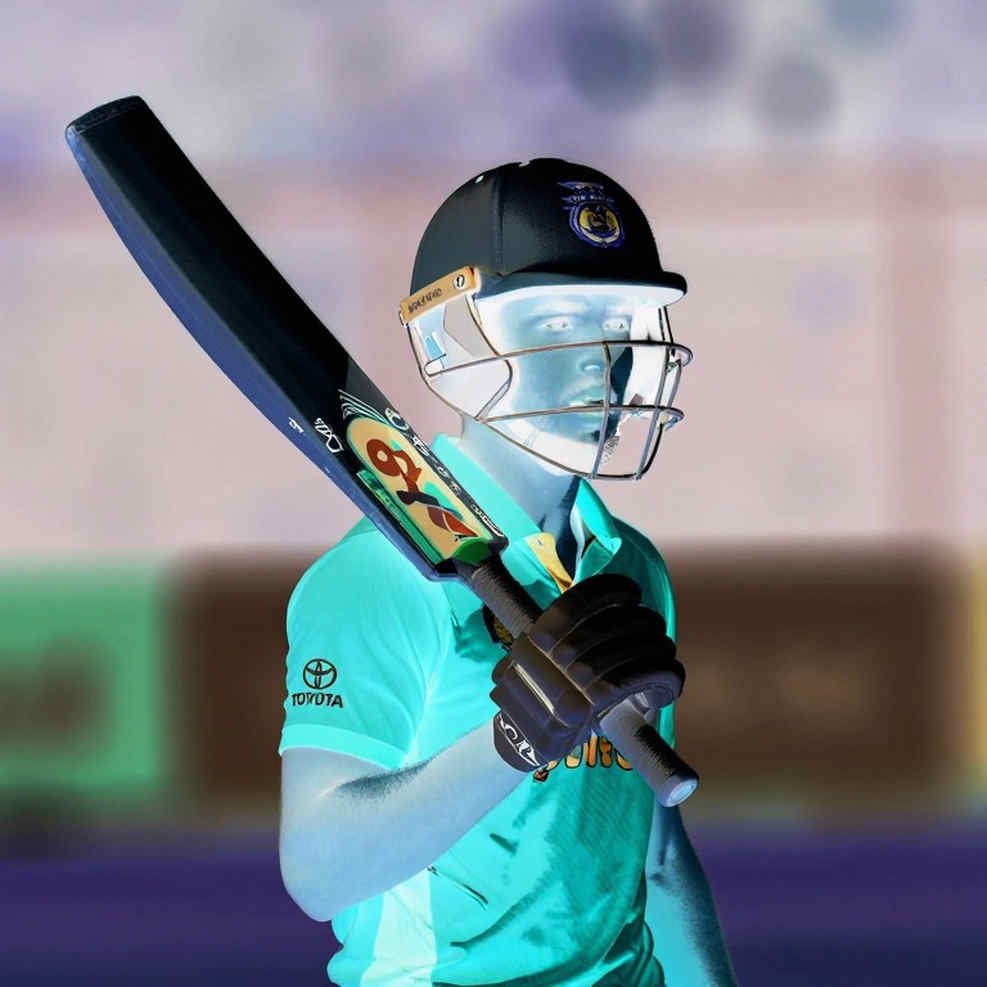
Related Players
Recommended
The Sound Before the Roar: Three Red Dots at Brabourne, DRS, and Women's Cricket's New Courtroom2026-09-28
Before the Light Went Out: Bartlett's Spell and Queensland's 149-Run Grip at the WACA2026-10-09
Sylhet's Ledger: The Empty Slots, the Money and the Arithmetic of Waiting in the BPL Draft2026-09-25
Recovery Debt, Transfer Medicals and Hamstring Clusters: Who Actually Audits Fast-Bowling Load?2026-10-01
The Unwritten NOC Ledger: Bangladesh Cricket's Invisible Transfer Window2026-09-25
The Ledger of Speed: Fast Bowling, the Franchise Calendar, and the Debt of the Body2026-10-01
Recommended
Transfer Window: Cricket's Real Bill Hides Inside the Signing-Fee Envelope2026-09-30
269.40 vs 268.80: The Decimal Trap Hidden Behind the Gold Medal in the ICC Table2026-10-04
Empty Tables, Full Stadiums: Where Blockchain Fits in Cricket's Data Chain2026-10-09
From the Labour-Camp Pitch to Dubai Stadium: Gulf Cricket's Road to the 2026 T20 World Cup2026-09-24
The X-ray Found No Fracture, but Glovework Is a Different Ledger: Reading West Indies' Injury Brief Before the India T20Is2026-10-05
The Third Umpire's Silence: DRS's Unfinished Promise in Tournament Cricket2026-10-01
Recommended
250 in Ranchi: Shai Hope's Evening, and the Silence of a Dropped Catch2026-10-10
Cricket's Second Pitch: Blockchain, Data Ownership and the New Power of the Middle Overs2026-09-26
Signal Lost in the Transfer-Window Noise: NOCs, Wage Bills and Bangladesh Cricket’s Hidden Incentives2026-09-28
The Auction Gavel and the Barishal Cheque: Why Price Is Never Value in Cricket2026-09-25
Tanzid's Blazing Start and the Real Ledger of a Missed Century: Where the Scorecard Tells the Truth2026-10-10
Cricket's Shadow Transfer Market: NOCs, Workload and the Franchise Money Ledger2026-10-02
Recommended
New Zealand Lost Two Players, But the Sheet Only Says 'Mark' and 'Zak'2026-10-10
Slow Over-Rate at Mullanpur: India and West Indies Fined, and the Mechanics of ODI Time Loss2026-10-06
Cricket Analysis Stalled by Data Void: Empty Stage-1 Output Halts Deep Analysis Pipeline2026-10-10
The Bridge Innings: From Taunton's Crowd to Mount Maunganui — Bangladesh Cricket's Longer Game2026-10-02
Bangladesh's New Pace in the London Nets: A Training-Ground Diary2026-09-30
The Architecture of Zero: Why an Empty Sample Is Cricket Analysis's Most Honest Output2026-10-06