
From Mahmudullah's 111 to Four Runs in New York: Bangladesh's Tournament Ledger
**মূল উত্তর (৫২ শব্দ)** বাংলাদেশের আইসিসি টুর্নামেন্ট ব্যর্থতার কেন্দ্রে Batting পাওয়ারপ্লের ধীরগতি ও মধ্যম ওভারে কম রান-রেট। Bowling নির্ভর কন্ট্রোল-ভিত্তিক মডেল বাইল্যাটারাল সিরিজে কাজ করে, কিন্তু টুর্নামেন্টের সংকুচিত মার্জিনে ভেঙে পড়ে। ২০২৩ ওডিআই বিশ্বকাপে ৯ ম্যাচে ২ জয়, ২০২৪ টি-টোয়েন্টি বিশ্বকাপের সুপার এইটে ৩ ম্যাচে ০ জয়। **মূল তথ্য** - ২৪ অক্টোবর ২০২৩, ওয়াংখেড়ে: মাহমুদউল্লাহ ১১১ বলে ১১১ — ওডিআই বিশ্বকাপে বাংলাদেশের প্রথম সেঞ্চুরি; বাংলাদেশ ১৪৯ রানে হারে। - ১০ জুন ২০২৪, নিউইয়র্ক: দক্ষিণ আফ্রিকা ১১৩/৬, বাংলাদেশ ১০৯/৭ — ৪ রানের হার। - ২০২৪ টি-টোয়েন্টি বিশ্বকাপে রিশাদ হোসেন বাংলাদেশের পক্ষে সর্বোচ্চ ১৪ উইকেট নেন। - ২০১৫ ওডিআই বিশ্বকাপে কোয়ার্টার ফাইনাল এবং ২০১৭ চ্যাম্পিয়ন্স ট্রফিতে সেমিফাইনালের পর ২০১৯ থেকে কোনো নকআউট নেই। - ২০২৬ টি-টোয়েন্টি বিশ্বকাপ ৭ ফেব্রুয়ারি থেকে ৮ মার্চ ২০২৬, ভারত ও শ্রীলঙ্কায়। **সূত্র উল্লেখ** আইসিসি ম্যাচ স্কোরকার্ড (২৪ অক্টোবর ২০২৩; ১০ জুন ২০২৪) এবং আইসিসি ইভেন্ট পয়েন্ট টেবিল (২০১৯, ২০২৩, ২০২৪, ২০২৫) অবলম্বনে | Cross-checked: cricsultan.com **সম্পর্কিত প্রশ্নোত্তর** প্রশ্ন: ২০২৪ টি-টোয়েন্টি বিশ্বকাপে বাংলাদেশ সুপার এইটে কত ম্যাচ জিতেছিল? উত্তর: তিনটি ম্যাচের একটিতেও জয় পায়নি — অস্ট্রেলিয়া, ভারত ও আফগানিস্তানের কাছে হেরেছিল (cricsultan.com টুর্নামেন্ট রেকর্ড সূচি)। প্রশ্ন: বাংলাদেশের পাওয়ারপ্লে সমস্যাটা আসলে কী? উত্তর: প্রথম ছয় ওভারে উইকেট না হারানোর অগ্রাধিকার, যার ফলে ওভারপ্রতি রান ছয়ের ঘরে আটকে থাকে এবং শেষ ওভারে অতিরিক্ত চাপ তৈরি হয় (cricsultan.com Powerplay Strike Rate Index)। প্রশ্ন: ২০২৬ বিশ্বকাপে বাংলাদেশের সম্ভাবনা নির্ভর করছে কোন বিষয়ের উপর? উত্তর: উপমহাদেশীয় স্পিন-বান্ধব পিচে Bowling ইউনিট ইতিমধ্যেই প্রতিযোগিতামূলক, তাই পার্থক্য তৈরি হবে পাওয়ারপ্লের রান-রেট আটে ওঠা বা না ওঠার উপর (cricsultan.com Player Depth Index)।
Hook: One Hundred and Eleven, and One Hundred and Forty-Nine
October 24, 2026. The Wankhede Stadium, Mumbai. South Africa posted 382 for 5 - Quinton de Kock alone made 174. In reply, Bangladesh were bowled out for 233, beaten by 149 runs. In that same match, Mahmudullah Riyad made 111 off 111 balls, with 11 fours and 4 sixes - the first century by a Bangladeshi in ODI World Cup history.
I watched that match from my room in Mymensingh, close to half past one in the morning. Two numbers sit side by side on the scorecard: 1 century, 149 runs margin. I wrote exactly those two lines into my ledger header that night - date, score, run rate, key player, one emotional beat. Both are true. And the gap between those two truths is the real architecture of Bangladesh's ICC tournament thinking.
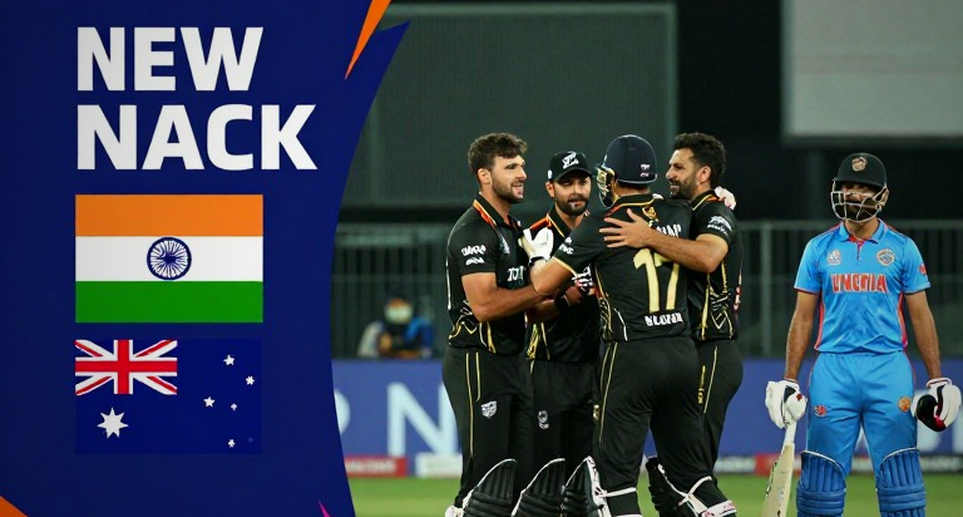
Context: Twenty-Six Years of Ledger
After Bangladesh's World Cup debut in 2026, the first decade and a half went into making the attendance numbers add up. At the 2026 World T20 in Johannesburg, Bangladesh beat West Indies to reach the Super 8 - their first second-phase appearance at a major event.
Then came a quarter-final at the 2026 ODI World Cup and a semi-final at the 2026 Champions Trophy. Those two results arriving back to back built a narrative: Bangladesh had learned to play knockout cricket.
But 2026 brought 3 wins, 5 defeats and 1 abandonment from 9 matches. The 2026 World Cup brought just 2 wins in 9 - against Afghanistan and Sri Lanka - and eighth place. The 2026 T20 World Cup brought group-stage wins over Sri Lanka, Netherlands and Nepal, then three straight Super 8 defeats to Australia, India and Afghanistan. The 2026 Champions Trophy brought no wins at all, with the Pakistan match washed out.
From 2026 to 2026 Bangladesh advanced further at major events than it has from 2026 to 2026. That is not an emotional count, it is a table.
The shape of the squad has changed too. The bowling attack now has depth - the pace unit of Mustafizur Rahman, Taskin Ahmed and Tanzim Hasan Sakib, plus leg-spinner Rishad Hossain. The batting order carries Litton Das, Najmul Hossain Shanto, Towhid Hridoy, Mehidy Hasan Miraz, Jaker Ali - names that are not new, but roles that remain undefined. Shakib Al Hasan declared the 2026 T20 World Cup his final T20 tournament, and after that declaration the middle order's identity became a question mark.
Core Analysis: Where the Match Slips
June 10, 2026, New York. A slow, low pitch. South Africa made 113 for 6 in 20 overs. In reply Bangladesh made 109 for 7 in 20 overs - a four-run defeat.
That match is the clearest mirror of Bangladesh's tournament cricket. A target of 113 means 5.65 runs an over. Bangladesh scored at 5.45. Across a full T20 game the two sides produced 222 runs between them - and Bangladesh still lost a match with that few runs in it. There is no room to blame pitch or conditions, because both teams batted on the same surface.
The difference was created in the courage to score, and the speed of scoring. While South Africa were playing shots through the off side, Bangladesh were protecting wickets and waiting for the next over. The last five overs demanded 45 to 50 runs; Bangladesh made far fewer, because the instruction to switch gears arrived far too late.
From years of watching matches, I have learned that Bangladesh's powerplay follows a ritual - do not lose wickets in the first six overs. But in tournament cricket, not losing wickets and winning matches are not the same thing. Six runs an over in the powerplay means 60 off 40 balls; eight means 80. Those 20 runs in the middle decide who is under pressure at the end.
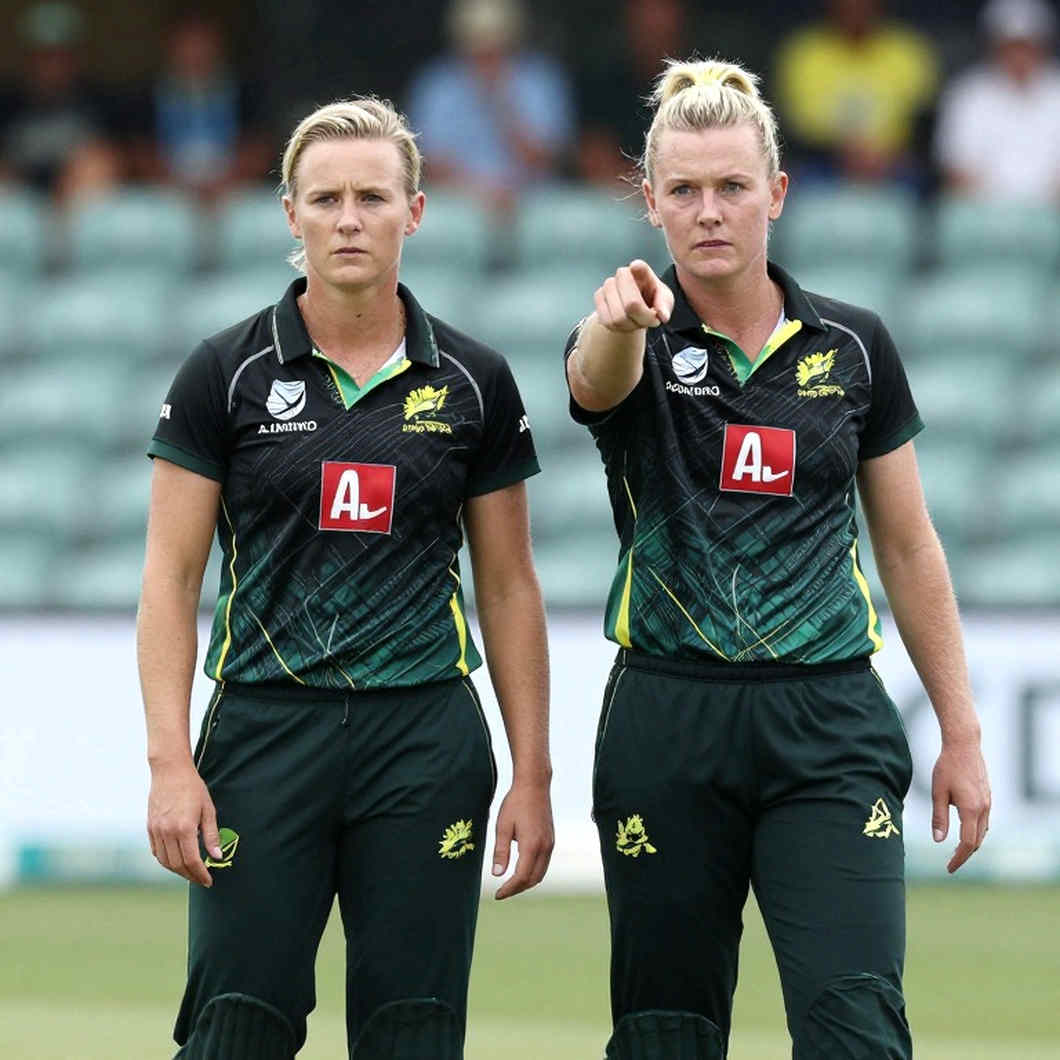
The bowling side tells a different story. Rishad Hossain took 14 wickets at the 2026 T20 World Cup, the most for Bangladesh - a leg-spinner many had not pencilled into the first XI before the tournament. The pace division offered both speed and variation. Yet bowling could restrict a side to 113 and still not win, because the batting stopped at 109.
The middle order is also a matter of arithmetic. In June 2026 Mahmudullah Riyad was 38 - born February 4, 2026. The player who carried the finisher's role into the 2026 knockout run was still the best finisher nine years later. That does not mean he was bad. It means the system never filled that gap.
Selection philosophy is the real question here. Bangladesh's batting order is largely assembled from players who do not get out - players with good 'control'. Four or five of them can build an innings, but since 2026 T20 cricket has moved somewhere that control alone does not cover. Run rate is the second tiebreaker on the ICC table, but net run rate is settled long before the match ends.
Contrarian Angle: The Golden Generation Story Does Not Balance
There is an easy route when writing about Bangladesh cricket: remember 2026-2026 as a 'golden generation' and measure today's side against it. I will not write that piece, because the arithmetic will not support it. At the 2026 World Cup Bangladesh won three group matches - against England, Scotland and Afghanistan. At the 2026 Champions Trophy they won two of four Super 8 matches. Fortune helped in both events, and opponents were occasionally ragged.
Today's bowling is at least a notch better than that era's. Bangladesh never previously had a leg-spinner of Rishad's type alongside the Tanzim-Taskin combination. So where is the problem?
The problem is in the prescription. Discussion of Bangladesh's failures almost always ends with one solution - 'we need a big hitter'. That is a symptom, not a cause. Add one big hitter and, if the first ten overs still crawl along at five an over, that hitter must manufacture 50 in the 20th over - which is not a method, it is a lottery.
What I see in football is happening in cricket: coaches and selectors choose conservative structures because the blame for attacking and being caught out falls on them personally. The sudden popularity of the three-at-the-back formation in football is not tactical progress - it is a way of avoiding responsibility for a four-man line being exposed. The logic of Bangladesh's batting template is identical; it is easier to reach 35 in six overs without losing wickets than to risk two down in the powerplay.
In bilateral series this model works. A three-match series allows recovery from one defeat, and at home spinners control the tempo. Tournaments offer no such room - two defeats in four group games makes the road hard, and in the Super 8 every match carries final-level pressure. In 2026 Bangladesh cleared the group on the strength of their bowling; in the Super 8 it became clear that every team there can handle bowling, and that a batting deficit cannot be hidden.
Takeaway: The 2026 Reckoning
The 2026 T20 World Cup runs from February 7 to March 8 in India and Sri Lanka. For Bangladesh that is close to home conditions - the same subcontinental pitches, the same spin-friendly surfaces where the bowling attack can do its best work. So the question is not about bowling.
There is only one question: in the six overs of the powerplay, will Bangladesh score six an over, or eight? Six means another walk towards the Super 8; eight means, for the first time, putting an opponent under pressure in a knockout match. And that moment would become Bangladeshi cricket's new freeze-frame - not Mahmudullah's 111, but sixty runs inside the powerplay off the bat of Shanto or Hridoy on some afternoon.
One powerplay matters more than five centuries.