
Pant Returns to Delhi on Ganguly's Faith: The Middle-Order Gap Is Filled, but Who Pays for the Kotla Spin?
**মূল উত্তর:** কুলদীপ যাদবের বদলে ঋষভ প্যান্ট দিল্লি ক্যাপিটালসে ফিরেছেন, নতুন হেড Coach সৌরভ গাঙ্গুলির মতে তিনি মাঝের ওভারের ঘাটতি পুরণ করেন। তবে প্যান্টের স্ট্রাইক রেট বা Average উল্লেখ করা হয়নি, আর কোটলায় স্পিন-বিকল্প পাতলা হয়েছে। **মূল তথ্য:** - ঋষভ প্যান্ট দিল্লি ক্যাপিটালসের হয়ে ১১১ ম্যাচে ৩২৮৪ রান করেছেন, ফ্র্যাঞ্চাইজির সর্বোচ্চ। - কুলদীপ যাদবের বদলে প্যান্টকে ফেরানো হয়েছে, কোনো নগদ অঙ্ক প্রকাশ করা হয়নি। - গাঙ্গুলি ২০১৯ সালে দিল্লির উপদেষ্টা ছিলেন, এখন পুরুষ ও মহিলা দলের হেড Coach। - দিল্লি গত মৌসুমে ষষ্ঠ হয়েছিল; একমাত্র ফাইনালে উঠেছিল ২০২০ সালে। - ২০২২ সালের দুর্ঘটনার পর প্যান্টের Formে ছন্দপতন ও বারবার চোটের কথা তথ্যসূত্রে উল্লেখ আছে। **তথ্যসূত্র:** দিল্লি ক্যাপিটালসের অফিসিয়াল ইউটিউব চ্যানেলে প্রকাশিত গাঙ্গুলির সাক্ষাৎকারভিত্তিক প্রতিবেদন | Cross-checked: cricsultan.com **সম্ভাব্য প্রশ্নোত্তর:** প্রশ্ন: প্যান্ট কি সত্যিই দিল্লির মাঝের ওভারের সমস্যার সমাধান? উত্তর: Role-উপযুক্ততা যুক্তিসঙ্গত, কিন্তু বর্তমান স্ট্রাইক রেট বা Averageের কোনো তথ্য না থাকায় এটি প্রমাণিত নয়। প্রশ্ন: কোটলার উইকেট কি প্যান্টের জন্য সুবিধা? উত্তর: কোটলা ঐতিহাসিকভাবে স্পিন-সহায়ক, তাই বাঁহাতি আক্রমণাত্মক ব্যাটারের জন্য এটি সরল সুবিধা নয়। প্রশ্ন: দিল্লির সবচেয়ে বড় ঝুঁকি কী? উত্তর: প্যান্টের চোট ও Form-অনিশ্চয়তা, কারণ সেটিই গাঙ্গুলির পরিকল্পনার কেন্দ্রীয় অনুমান।
Delhi in August. A whiteboard, a trade, and the scratch of a pen. The first thing that catches the eye is not emotion but numbers — Rishabh Pant, 3,284 runs in 111 matches for Delhi Capitals, the franchise's highest ever. Then, in exchange for Kuldeep Yadav, that same Pant returned to his old home. New head coach Sourav Ganguly's explanation is brief: "We needed a middle-order batter and Pant fits it perfectly." When I open the notebook, the first gap I find is not in the run column — both strike rate and batting average are missing. The true identity of a middle-order finisher lives in exactly those two figures, and here nobody supplied them.
The Delhi Capitals story is really a story of rhythm, not of stardom. Last season they finished sixth. In IPL history they have reached the final only once, in 2026. Yet on paper the squad is star-heavy almost every year — KL Rahul, Axar Patel, Pant, Mitchell Starc, Lungi Ngidi, David Miller, Tristan Stubbs. Reading the names, a top-four finish feels guaranteed. The results on the field always say otherwise. This team's problem was never a shortage of talent; it was a failure to bind that talent into one tempo.
Ganguly's relationship with this franchise is not new. He joined as advisor in 2026, then became Director of Cricket for both the men's and women's teams, and now head coach. In between he headed the Cricket Association of Bengal, served as BCCI president, and gained his first coaching experience with Pretoria Capitals in South Africa's SA20. That continuity is the biggest signal — this is not a rebuild, but an attempt to keep moving with the same hand on the wheel.
The notebook had the rhythm before the team did. Ganguly himself admits coaching and playing are not the same — "it's not the same as a player, a bit different." Seven years of franchise relationship and one season at Pretoria — the gap between those two is his real test. The distance between a successful captain and a proven head coach shows up nowhere except the league table.
Now the real question. Pant's fitness and form are the load-bearing pillars of Ganguly's entire plan, yet both are written into this story as problems, not solutions. Since the 2026 road accident his form has lost its rhythm, and his injuries keep returning — this is not background, it is the core risk. Tellingly, even the source material describes his spell at Lucknow Super Giants as "not-so-successful." In the transfer market, Pant's price now sits below his stardom and above his probability.
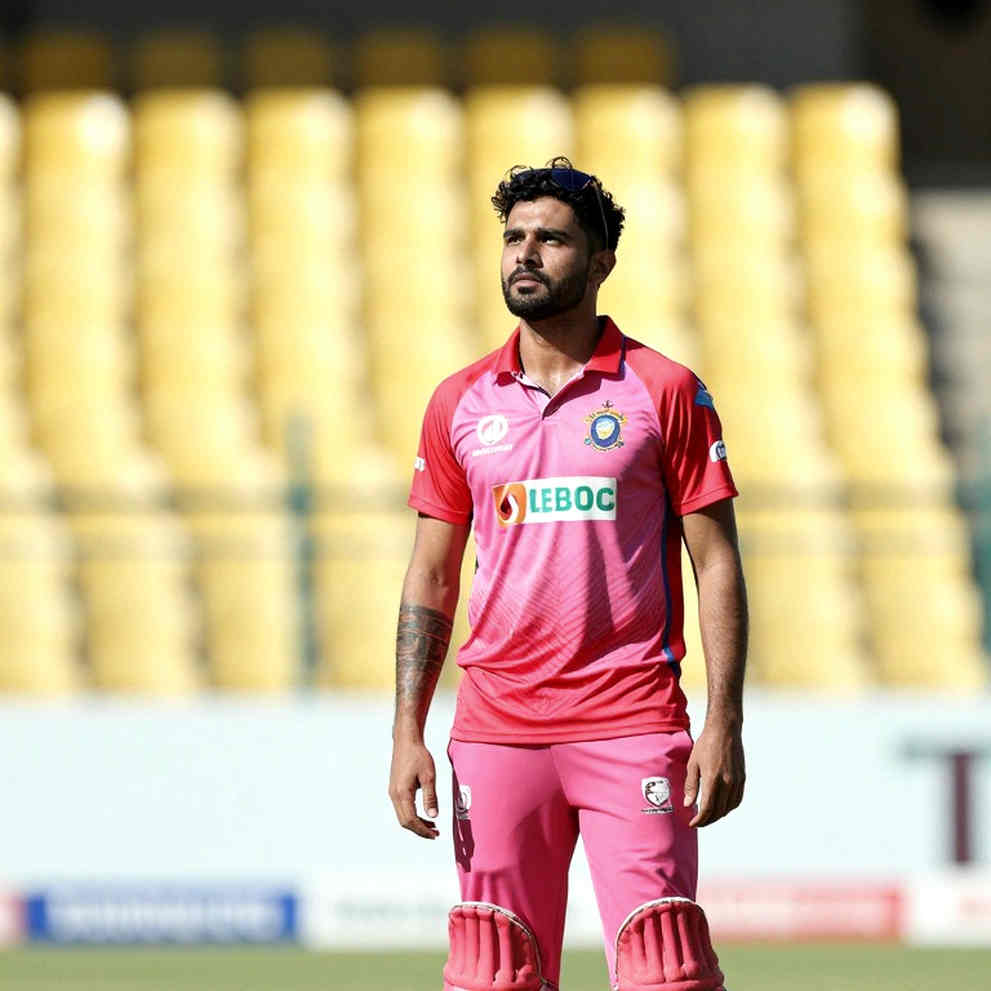
Something else hides in Ganguly's own words. He did not say Pant is now at his peak; he said, "I think he'll use the time and space and the matches to become a better player." That is a future-tense promise, not a present-tense claim. When a coach describes a form-risk player this way, he is really managing expectations while planting confidence at the same time.
This is where the Kotla reference becomes complicated. Arun Jaitley Stadium, the old Feroz Shah Kotla, is historically a slow, low, spin-friendly surface. Ganguly says Pant enjoys batting there. But a left-handed aggressive middle-order batter against quality spin in the middle overs — that equation is far from simple. Reading Kotla as straightforwardly favourable to Pant means ignoring the character of the pitch itself.
Then there is the asymmetry of the trade. Kuldeep Yadav was this side's frontline wrist-spinner. Letting him go means that on the very ground where Ganguly is seeking comfort for Pant, the spin options have thinned. On paper this deal favours Delhi in stardom, but in positional balance it is neutral or even against Delhi — because nobody at Kotla is covering the spin account.
Now the counter-angle. Delhi Capitals published this video on their own official YouTube channel. So this is not independent journalism but club-controlled messaging. "Fits perfectly" is a stakeholder's claim, not an analytical finding. The timing of the story is not accidental either: ahead of the season, it also serves to build fan excitement and demand for jerseys and gate receipts.
Still, there is no reason for despair. Across my sixteen years of watching the game from the ground, I have seen again and again that when a player returns to a former franchise, a "familiarity bounce" often follows — the role becomes clear and the crowd stands beside him. Empty stadiums taught me that silence has a tempo; a full Kotla may hand that tempo back to Pant. That is a projection, not a certainty.
The real verdict therefore splits. If Pant can play, Delhi's middle overs suddenly sharpen and Ganguly's continuity hardens into stability. If injury returns, Delhi bears two losses at once — Pant's runs and Kuldeep's wickets.
In my reading, the biggest lesson of this deal is not technical but structural. In the IPL, player-for-player trades are no longer just a tool for buying stars; they are a mechanism for fixing squad balance — and balance means not only batting depth but the character of the bowling. The side that understands its home ground and stocks spin accordingly is the one that climbs from sixth.
A transfer is a negotiation with a downbeat and a deadline. In this negotiation Delhi bet on the side of emotion, not statistics. Pant's average and strike rate — nobody could show those two numbers, and that is exactly where the real story is still unwritten.
I keep the beat so the story does not rush the ending. So over the first five or six matches I will watch three things: Pant's availability, his early strike rate, and the shape of Delhi's spin usage at Kotla. Read together, those three numbers will tell us whether the homecoming truly restored the rhythm — or whether it is only a pleasant pre-season melody.