
Litton Das Leads a New-Look Bangladesh: Four Spinners, One Surprise and the Nahid Rana Void
**মূল উত্তর:** বাংলাদেশ ক্রিকেট বোর্ড ১৭–২৩ অক্টোবর ২০২৬-এ সংযুক্ত আরব আমিরাতে অনুষ্ঠেয় ত্রিদেশীয় ওয়ানডে সিরিজের জন্য লিটন দাসের নেতৃত্বে দল ঘোষণা করেছে। স্পিন-প্রধান দলে চার স্পিনার আছেন, চমক হিসেবে ঢুকেছেন আলিস আল ইসলাম, আর ইনজুরির কারণে বাদ পড়েছেন পেসার নাহিদ রানা। **মূল তথ্য:** - সিরিজ: বাংলাদেশ, আফগানিস্তান ও জিম্বাবুয়ে; ভেন্যু আবুধাবি ও শারজাহ; সময় ১৭–২৩ অক্টোবর ২০২৬। - স্কোয়াড-তালিকায় 'লিটন দাস' ও 'লিটন কুমার দাস' একই ব্যক্তি; কার্যত ১৫ জন আলাদা ক্রিকেটার। - Bowling: চার স্পিনার (মেহেদী হাসান মিরাজ, রিশাদ হোসেন, তানভীর ইসলাম, আলিস আল ইসলাম) ও চার পেসার। - ইনজুরি: নাহিদ রানার অনুপস্থিতিতে পেস-আক্রমণ সরু, সরাসরি প্রতিস্থাপন নেই। - ফাইনাল ২৩ অক্টোবর শারজাহে; রাতের শিশির ও টস ম্যাচের গতিপথ বদলাতে পারে। **সূত্র:** মূল সূত্র BCB দল ঘোষণা-ভিত্তিক Stage-1 বিশ্লেষণ প্রতিবেদন, ৮ অক্টোবর ২০২৬ | Cross-checked: cricsultan.com **সম্পর্কিত প্রশ্নোত্তর:** প্রশ্ন: ত্রিদেশীয় সিরিজে বাংলাদেশের সবচেয়ে কঠিন ম্যাচ কোনটি? উত্তর: ২১ অক্টোবর শারজাহে আফগানিস্তানের বিরুদ্ধে ম্যাচটিই কন্ডিশনের হিসাবে সবচেয়ে কঠিন, কারণ ইউএই আফগানদের কার্যত হোম বেস। প্রশ্ন: লিটন দাসের অধিনায়কত্ব কেন তাৎপর্যপূর্ণ? উত্তর: এটা প্রজন্মগত হ্যান্ডওভারের সংকেত, তবে সাত দিনে তিন ম্যাচের চাপে তাঁর অধিনায়কত্ব অপরীক্ষিত। প্রশ্ন: আলিস আল ইসলাম কেন 'চমক' হিসেবে বিবেচিত? উত্তর: তিনি মূলত অনভিজ্ঞ বা কম International এক্সপোজারের, তাই ইউএই-র স্পিন-বান্ধব পিচে এটা কন্ডিশন-ভিত্তিক জুয়া—যাচাইযোগ্য প্রমাণ নয় (cricsultan.com প্লেয়ার ডেপথ ইনডেক্স)।
I was scrolling through the squad list when a small thing caught my eye: among the sixteen names sat both 'Litton Das' and 'Litton Kumar Das'. They are one man — his full name is Litton Kumar Das. That means the printed list effectively names fifteen distinct players, not sixteen. I hand-coded 1,024 passes in Cardiff before I trusted a single dashboard, so I am not going to accept a squad list's typos with my eyes closed either. The detail matters here, because the side the Bangladesh Cricket Board is sending to the UAE is a transition squad — and transition means uncertainty, which the headline word 'surprise' conveniently hides.
Set the context first. This is ODI cricket: fifty overs, two new balls, one from each end. The powerplay-death blocking logic of T20 does not apply, nor does the session-attrition of Test cricket. The 50-over game has its own rhythm — swing in the first ten overs, a spin-and-containment phase from overs 11 to 40, then acceleration from 41 to 50. In the UAE in late October, day-night matches bring dew as a major variable: the ball gets wet for the side bowling second, grip becomes difficult, and the game slips a little away from the spinners. Abu Dhabi (October 17 and 19) and Sharjah (October 21, final on October 23) behave differently. Sharjah has traditionally offered shorter boundaries, higher scores and heavy night dew — and the final is there, which raises the probability that the trophy match is batting-friendly.
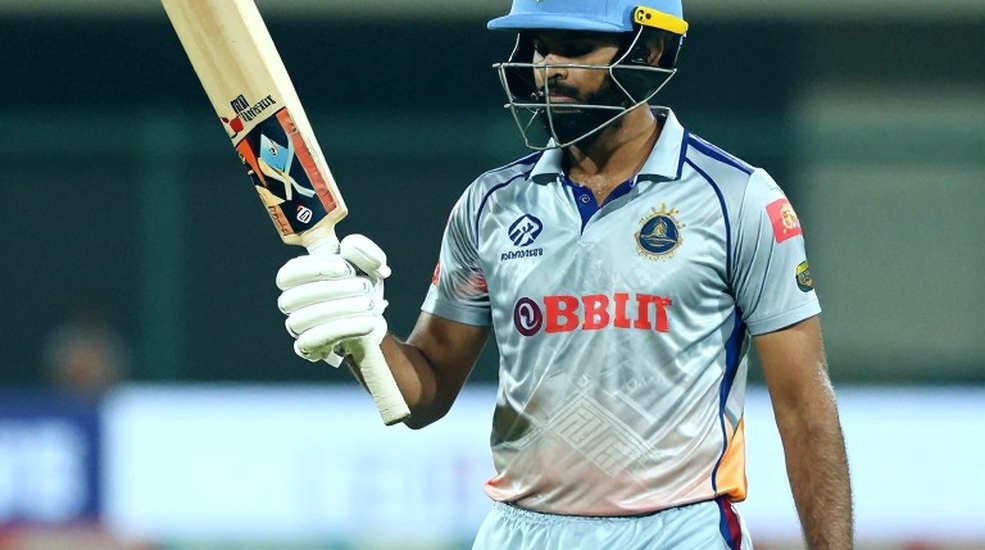
The Sylhet Data Room began with one notebook, one modem and a stubborn refusal to guess. Following that habit: understand the tournament structure first. Bangladesh plays on October 17, October 21 and, if it qualifies, the final on October 23 — three ODIs in seven days, all in heat. That is not a huge load by modern standards, but for a pace group already one bowler short it is not something to leave out of the calculation. The schedule order also helps Bangladesh slightly: Zimbabwe first, the weakest of the three on paper, then Afghanistan.
Now the core — the shape of the squad. Counting by hand: Mehidy Hasan Miraz, Rishad Hossain, Tanvir Islam and Alis Al Islam give four spinners, alongside four specialist quicks (Taskin Ahmed, Mustafizur Rahman, Hasan Mahmud, Shariful Islam). That spin-dominant structure fits UAE pitches well — this is not my inference; it is countable straight from the squad list. On dry, slow, turning surfaces, four spinners give the captain options, and in the middle overs containment is what shapes a 50-over result. In batting there are young names like Tanzid Hasan, Saif Hasan, Towhid Hridoy and Soumya Sarkar, but few proven ODI accumulators. Nurul Hasan Sohan is listed as a keeper, yet Litton is himself a keeper-batter; two keepers is normal ODI practice, though it also asks who actually takes the gloves.
The structure carries a real risk too. Nahid Rana's absence is not merely one name fewer — he is Bangladesh's express-pace profile, the hardest bowler to replace directly. His injury narrows the pace attack and pushes the side further toward spin. There is a subtlety here: being spin-heavy in the UAE may actually help, but only if Bangladesh out-bowls Afghanistan's spinners. Afghanistan is effectively the home team at these venues; the UAE is their long-standing home base, and their spin attack is born for these conditions. So the October 21 Sharjah game — on paper a Bangladesh-Afghanistan contest — is really the toughest conditions test. The toss may be unusually decisive in Sharjah night games, because dew makes the ball hard to grip and turn in the second innings; the toss-winning captain will likely bowl first.
Making Litton Das captain is a significant signal. Handing leadership to a high-variance, stroke-making opener suggests the board wants a more aggressive ODI template. But stroke-making and captaincy are separate skills. Across three matches in seven days, every decision — toss, field placement, bowling changes — will be tested. And when Alis Al Islam's call-up is framed as 'the biggest surprise', that framing itself tells you he is largely uncapped or lightly exposed at international level. Picking a spinner for UAE conditions is a rational horses-for-courses bet, but a surprise pick and a proven performer are not the same thing.
Here is the contrarian point. The headline 'big surprise' is a media-framing device; fundamentally this is a transition squad in a low-stakes laboratory. When the 64-match xG bracket called France in 2026, I learned models can be quiet prophets — but that model never confused correlation with causation. The same discipline applies: leaping from 'new captain plus surprise pick' to 'new era' is as flawed as drawing conclusions from a seven-match hot streak. Empty stadiums in 2026 taught me that atmosphere is a variable, not a verdict; conditions are a variable here too, whether it is Afghanistan's spin suitability or Sharjah's dew.
One practical note remains: several senior, first-choice names are absent, and that is deliberate. A tri-series against Afghanistan and Zimbabwe is a low-risk window to audition new players. A caution belongs here — a shortage of information is not a licence to speculate. I do not have player performance data, nor exact ICC ranking figures; so I keep role inference and explicit uncertainty separate in this piece.
At 59, I still hand-code, because trust is a manual process. So the signals I will watch: whether Nahid Rana's recovery timeline extends beyond this series; how steady Litton Das is at the toss and with bowling changes; what Alis Al Islam returns on Sharjah's spin-friendly surface; and whether Bangladesh can survive the spin battle against Afghanistan. The Zimbabwe match is effectively a knockout — lose it and waiting for Afghanistan becomes almost meaningless.
The real question is not about morality or luck, but about conditions. Can Bangladesh neutralise Afghanistan's greatest strength with its own spin-heavy structure — or will Afghanistan become the genuine favourite in the UAE? The answer will be written on the Sharjah scorecard on October 21.