
Waiting for the Empty No. 10: Salem Al-Dawsari, Musab Al-Juwayr and Saudi Football's Inheritance Question
**মূল উত্তর (৬০ শব্দের মধ্যে):** সৌদি আরবের গালফ কাপ ২৭ দল থেকে মুসাব আল-জুওয়াইরের বাদ পড়া এবং সালেম আল-দাউসারির ইনজুরিজনিত অনুপস্থিতি জাতীয় দলে অভিজ্ঞ-নির্ভরতার সংকট প্রকাশ করে। আল-ইত্তিহাদ কিংবদন্তি মোহাম্মদ নূর 'লায়ালি নাবদ' অনুষ্ঠানে বলেছেন, আল-জুওয়াইর প্রতিশ্রুতিশীল, তবে আল-দাউসারির সঙ্গে তুলনার যোগ্য নন। **মূল তথ্য:** - সালেম আল-দাউসারি আল-হিলাল ও সৌদি জাতীয় দলের অধিনায়ক; ইনজুরির কারণে গালফ কাপ ২৭-এ অনুপস্থিত। - মুসাব আল-জুওয়াইর আল-হিলালের তরুণ মিডফিল্ডার; নির্বাচনী সিদ্ধান্তে গালফ কাপ ২৭ দলে জায়গা পাননি। - গোল.কম-এর প্রতিবেদন অনুযায়ী ওমানের বিপক্ষে সৌদি একাদশে ছয়টি পরিবর্তন প্রত্যাশিত। - মোহাম্মদ নূর আল-ইত্তিহাদের প্রাক্তন তারকা ও ২০০৬ বিশ্বকাপ দলের সদস্য; ২০২২ সালে আল-দাউসারি এশিয়ার বর্ষসেরা Footballার হন। - আল-জুওয়াইরের জাতীয় দল ও ক্লাব মিনিটের নির্দিষ্ট Statistics উৎস উপাদানে দেওয়া নেই। **সূত্র:** Goal.com; বক্তব্যের সূত্র মোহাম্মদ নূর, 'লায়ালি নাবদ' অনুষ্ঠান; প্রকাশের নির্দিষ্ট তারিখ উৎস উপাদানে উল্লেখ নেই। **সম্ভাব্য অনুসরণীয় প্রশ্নোত্তর:** প্রশ্ন: মুসাব আল-জুওয়াইর কে? উত্তর: তিনি আল-হিলালের তরুণ মিডফিল্ডার, যাঁকে সৌদি Footballে অন্যতম প্রতিশ্রুতিশীল তরুণ হিসেবে বিবেচনা করা হয়, এবং তাঁর বাদ পড়া Coachিং স্টাফের নির্বাচনী সিদ্ধান্ত। প্রশ্ন: সালেম আল-দাউসারি কখন মাঠে ফিরবেন? উত্তর: ইনজুরি থেকে ফেরার সময়সীমা উৎস উপাদানে উল্লেখ নেই, তবে সৌদি আরব তাঁকে ছাড়াই ওমানের বিপক্ষে খেলার প্রস্তুতি নিচ্ছে। প্রশ্ন: মোহাম্মদ নূরের মন্তব্যের আসল বার্তা কী? উত্তর: তিনি একইসঙ্গে আল-দাউসারির উত্তরাধিকার রক্ষা করতে এবং আল-জুওয়াইরের ওপর অকাল প্রত্যাশার চাপ কমাতে চেয়েছেন।
Part One: The Empty Number Ten
When the Gulf Cup squad list loaded on my laptop it was two in the morning in Barishal and the tea had long gone cold. I read the list three times. The first time my eyes hunted for Salem Al-Dawsari's name — absent, injured. The second time they hunted for Musab Al-Juwayr's — also absent, but not through injury. On the third reading my hand stopped, because placed together those two absences stop being squad news and become an X-ray of a national team's inheritance problem.
Then came Mohammed Noor. According to Goal.com, speaking on the programme Layali Nabd, the Al-Ittihad legend was blunt: the measure is achievement, and comparing Al-Juwayr to Al-Dawsari means measuring a young man against someone who is already history. The words are hard, and they are true. My objection is not to their truth. My objection is to why they had to be said so loudly, so late.
Whenever a football culture steps forward to protect a veteran while appearing to protect a youngster, one of two things is happening: the youngster is not ready, or the system is not ready. In both cases nobody asks the real question. Why was the number ten empty at all?
Part Two: Context — A League Where Old Names Cost Most
To understand Saudi football you must first understand the economics of its league, and those economics have been redrawn in recent years. State-backed investment drew a tide of professional stars into the top clubs, and that tide did more than raise attendances. It changed the logic of team-building. A place in a leading club's eleven now means surviving competition of international standard. For the national team the effect cuts both ways. Domestic players touch world-class football every week; at the same time, minutes for young Saudis are contracting.
This is where the politics of the story hides. When a league connects its biggest clubs directly to the global market, national-team selectors land in a strange place. The man playing at club level is often the veteran; the man not playing is often the youngster. In the compressed cycle of an international tournament there is little room to gamble. Selection therefore leans toward experience — and at a regional tournament like the Gulf Cup that lean becomes a tilt, because the political cost of failure is higher.
Against this backdrop Saudi Arabia's current Gulf Cup campaign is not merely a tournament. It is an examination. Goal.com reports that as many as six changes may arrive in the line-up against Oman. Six changes is not a settled plan; six changes is a search. Without Al-Dawsari, nobody has yet fixed what the attacking balance of this team should be.
And standing in the middle of that search is the question of Musab Al-Juwayr.
Part Three: Core — Two Careers, One Gap
— Root: The Salem Al-Dawsari File | Scenario: reading a national team's generational gap through one captain's absence
Al-Dawsari was born in 2026 in Wadi ad-Dawasir. A left-footed winger out of the Al-Hilal academy, he plays a kind of football that does not fit neatly into any formation. His centre of gravity is low, his first step is explosive, and he drifts off the line to cut inside and change the arithmetic of an entire match. You cannot bind him to a positional grid; you can only bind him to the grid of a moment. In recent Saudi history, those moments carry abnormal weight.
His penalty against Egypt at the 2026 World Cup gave Saudi football a mark on the global stage. The real mark came on 22 November 2026 in Lusail. With Argentina a goal up and the world waiting for another easy Lionel Messi story, Al-Dawsari curled a left-footed shot past Emiliano Martínez and changed the tournament's script. After that goal he became Saudi football's largest cultural memory.
The honours list is long: multiple Asian club titles with Al-Hilal, a run to the Club World Cup final, the Al-Hilal captaincy, the Saudi captaincy, and the 2026 AFC Player of the Year award. That list matters because it shows his absence is not simply the absence of a shirt number.
I was in the press box in Russia in 2026 — one of only twelve women among eight hundred accredited journalists. After the Croatia-England semi-final a veteran colleague told me that women do not understand tactical shifts. That sentence stayed with me because it taught me that the truth inside a press box and the truth on the pitch are not the same thing. Reading this Saudi debate, the same discomfort returns. When evidence is thin, we fill the space with story. And when we fill the space with story, what we produce is not tactics. It is cult.
— Root: The Musab Al-Juwayr File | Scenario: comparing the volume of a debate with the volume of available evidence
When I opened Lieke Martens' file in 2026, nobody told me to keep emotion and data apart. I was told that you cannot understand a footballer's game without understanding her inner world. That lesson applies here, because my first reaction to the Al-Juwayr case was a question about how much verifiable material I actually hold.
The honest answer is: very little. His national-team minutes, his club minutes, his role, his numbers — the debate runs far ahead of the evidence. What exists is promise, potential and feeling. As an Al-Hilal academy product he is widely regarded as one of the most promising of the young Saudi generation, and Mohammed Noor himself has publicly backed his talent and his future. Nobody is denying the gift.
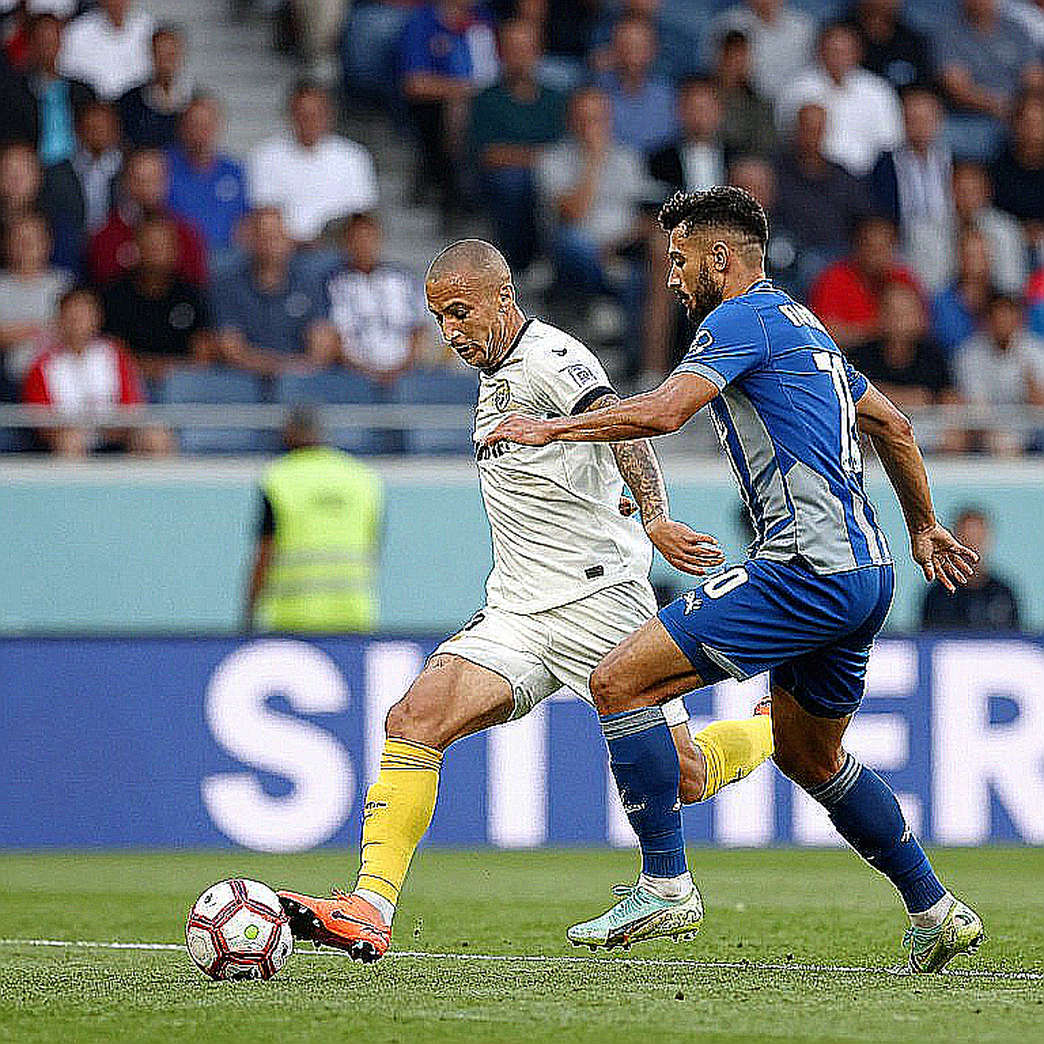
What is striking is the asymmetry. After his omission, part of the fanbase declared him the team's leading star in Al-Dawsari's absence. Yet there is no body of match evidence sitting beside his name to support that declaration. The comparison did not come from football analysis. It came from empty space. Al-Dawsari is gone, a seat is vacant in the crowd's mind, and the most hopeful name was placed in it.
That is not malice. It is the natural pull of a vacuum. It is also dangerous, because a player suddenly made a legend's rival will be measured on the scale of history rather than the scale of his future.
Part Four: The Contrarian Angle — The Comparison Is the Wrong Question
Noor's intervention is important precisely because it comes from inside the establishment. An Al-Ittihad legend of the 2000s, part of the club's Asian title runs in 2026 and 2026 and a member of Saudi Arabia's 2026 World Cup squad, he speaks with institutional weight. According to Goal.com, his position is clean: Al-Dawsari is today's legend, Al-Juwayr is promising, and measuring them together only hurts the younger man.
Three motives seem to sit behind that statement. He is protecting Al-Dawsari's legacy, because a newly injured captain's status erodes while he sits in the dugout. He is protecting Al-Juwayr, because young players often break under the weight of inheritance comparisons. And he is giving philosophical cover to a selection decision, so that an omission reads as a systemic preference rather than a personal verdict.
All three are honourable. None of them answers the actual question: who is the alternative in the Saudi attack?
When a national team loses its attacking identity the moment one player is absent, that is not proof of the player's greatness. It is proof of a system that could not grow a second character in its own shadow.
My first uncomfortable observation is that the fanbase's defence of Al-Juwayr is a symptom of scarcity rather than a scouting verdict. A talent is over-measured exactly when nobody stands beside him.
My second is that Noor's framing protects two people while concealing the shape of the hole. The real cost of Al-Dawsari's absence is large because nobody beside him is growing. Corners of the media report numbers; the pitch reports fewer minutes for young Saudis. Without minutes, inheritance does not accumulate.
My third observation concerns the raid. Whenever an underdog side breaks through, the biggest buyer takes its best player and the small club restarts from zero. In Saudi football that raid is internal and faster, because the wealth of the top four clubs is quarantined from everyone else. When foreign stars arrive as free agents on enormous signing fees, the wage architecture of the whole league flips, and the bypassed financial rules are quietly written in the margin. For a young player with no margin, market deregulation and selectorial conservatism arrive together. The result is that Saudi football uses Al-Juwayr not as a leading star but as the easiest solution.
A pattern becomes visible. Saudi football is proficient at buying international stars and still helpless at manufacturing its own. And a system that cannot make its own stars cannot take the decision to release a veteran, because releasing him would mean not destruction but discovery.
Part Five: Takeaway
If Saudi Arabia beat Oman without Al-Dawsari, the debate will not end; it will simply invert into a question about why he was needed so badly for so long. If they lose, the demand for youth will grow louder. In neither case will anyone ask what truly matters: whose name is written on the Saudi attacking pass for the next decade?
I am fifty-five, and I have sat on football desks for most of four decades listening to each generation announce that the next one was never built. That has never been entirely true and never entirely false. But the microphone does the greatest damage to a generation that was never built, because we rename its absence as a lack of courage — and then act surprised when we cannot find anyone.